




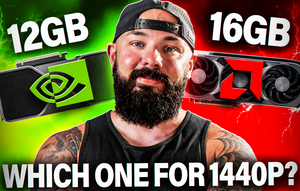
For raw 1440p frame rates the Radeon RX 9070 XT is the faster card, and it carries 16GB of VRAM against the RTX 5070's 12GB. The RTX 5070 earns its keep if you stream, want the heaviest ray tracing, or need a lower power draw. Most 1440p buyers should take the Radeon.
This is the comparison we field most often at the counter, and the reason it gets confusing is that these two cards aren't really in the same performance class despite sitting near each other on price. AMD priced the 9070 XT against the 5070 and built it to fight the 5070 Ti which sits a tier up. That's the story, and everything below is the detail behind it.
RTX 5070 vs RX 9070 XT on paper
Spec sheets only tell you so much, though two lines here end up mattering a lot: the VRAM capacity and the memory bus width.
| Spec | GeForce RTX 5070 | Radeon RX 9070 XT |
|---|---|---|
| Architecture | NVIDIA Blackwell | AMD RDNA 4 |
| VRAM | 12GB GDDR7 | 16GB GDDR6 |
| Memory bus | 192-bit | 256-bit |
| Board power | 250W | 304W |
| Launch MSRP | $549 | $599 |
| Upscaling | DLSS 4.5 with Multi Frame Generation | FSR 4 |
| DLSS 5 neural rendering | Supported | Not applicable |
The 5070 runs faster GDDR7 memory on a narrower 192-bit bus while the 9070 XT runs slower GDDR6 on a wider 256-bit bus, and they land close on total bandwidth. Capacity is where the two split, and that's the difference you feel in a modern game.
What the 1440p numbers say
The Radeon wins, and by more than the price gap suggests. Hardware Unboxed's 23-game average at 1440p puts the 9070 XT around 24 percent ahead of the RTX 5070, and that margin has widened since launch as RDNA 4 drivers matured. GamersNexus found the same shape one rung down, where even the non-XT RX 9070 trades blows with the 5070 and takes most of the rasterized tests (GamersNexus).
Put that number in context. A 24 percent gap at 1440p is close to a full product tier, and it lines up with where reviewers keep placing the 9070 XT: within a few percent of the RTX 5070 Ti rather than anywhere near the 5070. If you're shopping NVIDIA and you want 9070 XT frame rates, the 5070 Ti is the card you're actually shopping for.
Ray tracing narrows it. RDNA 4 closed most of the gap that made older Radeon cards a hard sell for RT work, though NVIDIA still leads in the heaviest path-traced titles. If ray tracing is a toggle you flip on for a single-player campaign and back off for everything else, the Radeon lead in raster is the bigger number in your week.
The VRAM gap got more expensive in 2026
12GB was comfortable for 1440p in 2024. It's tighter now. Unreal Engine 5 titles with Lumen running pull more VRAM than the generation before them, and the requirement sheets moved with them. Gears of War: E-Day lists an RX 9060 XT at the recommended tier and requires ray tracing hardware outright, which is the kind of spec sheet that didn't exist two years ago.
Running short on VRAM doesn't show up as a lower average frame rate. You get texture pop-in, a hitch when you turn a corner into a new area, and 1% lows falling through the floor while the average still reads fine on an overlay. That's why the 16GB card ages better even in titles where the 12GB card benchmarks respectably today.
We'd still take 12GB over 8GB without a second thought. The point is that 16GB is the comfortable number at 1440p in 2026 and 12GB is the one you'll be managing settings around two years from now. Our RAM sizing guide covers the system memory side of the same question, and our free FPS boost settings guide covers the settings that buy back headroom on either card.
Where the RTX 5070 earns its place
None of that makes the 5070 a bad card. You buy it for specific reasons rather than for raw frames per dollar.
The NVIDIA feature stack
Multi Frame Generation is RTX 50 exclusive and it does real work in single-player titles where smoothness matters more than input latency. DLSS 5 neural rendering runs on every RTX 50 card including this one, though we'd treat that as a bonus rather than a buying reason right now, and our DLSS 5 breakdown explains why. FSR 4 closed most of the image quality gap on the AMD side, so the upscaling argument is a lot narrower than it was two generations ago.
Streaming and creator work
NVENC is the reason plenty of streamers stay on NVIDIA, and it's a fair one. If you're running OBS on the same machine you game on, the NVIDIA encoder is the smoother experience and needs less tuning to get there. Same story for anyone cutting video alongside gaming. If that's you, the 5070 argument gets much stronger, and you'll want 32GB of system memory behind it either way.
Power and heat
250W against 304W is a real difference, and it turns up in a smaller case, a quieter build, or an older power supply you'd rather not replace at this year's prices. We've had customers pick the NVIDIA card for that reason alone and walk away happy with it.
Pricing moves weekly, so check before you commit
Launch MSRP was $549 for the 5070 and $599 for the 9070 XT. Street prices stopped respecting those numbers a long time ago, and 2026 has been a rough year for anyone buying components. Both cards drift week to week, so check the Tom's Hardware GPU price tracker before you decide, and read our RAMageddon buying guide for the wider picture on why component pricing landed where it did.
Price is what moves this verdict, more than any benchmark does. With the 9070 XT sitting anywhere close to the 5070, it's the clear buy. If the gap opens up by a couple of hundred dollars in the 5070's favor, the argument gets a lot more interesting.
Where these cards live in our lineup
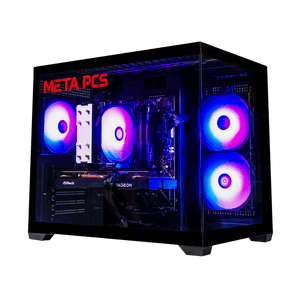
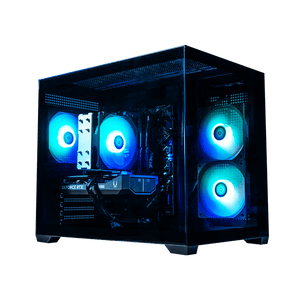
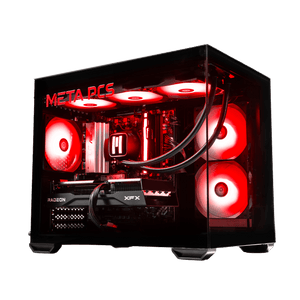
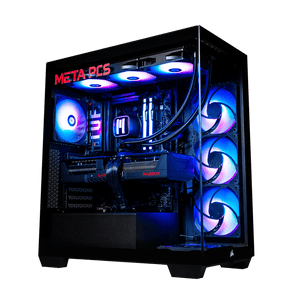
On the Radeon side, KILLDOZERv2 pairs an RX 9070 XT with a Ryzen 7 7800X3D, 32GB of DDR5, and a 2TB NVMe drive, and it ships running SteamOS rather than Windows. If you want Windows and a full white build, ICEWALKERv3 runs the same GPU and CPU with 32GB of DDR5-6000, though stock on the white builds moves quickly, so check the page first. For RDNA 4 at 1440p for less money, DOZERv2 steps down to an RX 9070 GRE with a Ryzen 5 9600X, also on SteamOS. The whole range sits on our ready-to-ship page.
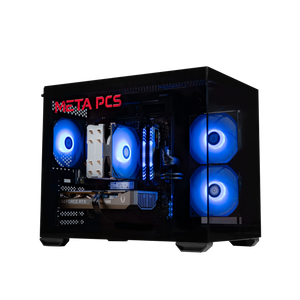
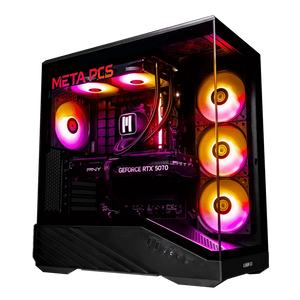
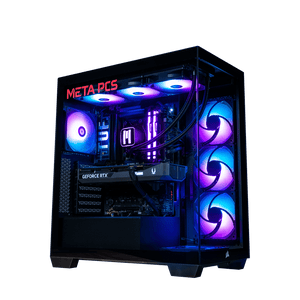
On the NVIDIA side, V1SHADOW50 v3 runs an RTX 5070 with a Ryzen 5 9600X, and that's the build for someone who wants the NVIDIA stack at 1440p and knows what they're trading for it. If you want NVIDIA at the performance tier the 9070 XT competes in, IRONREIGN is the honest answer with a Ryzen 7 7800X3D, an RTX 5070 Ti, and 32GB of DDR5-6000 already fitted.
Shopping below this tier, SHADEv3 runs an RX 9060 XT 16GB with a Ryzen 5 9600X and clears the recommended sheet on most current releases, including Modern Warfare 4. Any of these can move to 32GB of memory in the custom PC builder before it ships, which is cheaper than buying a kit separately at current memory prices.
FAQ
Is the RX 9070 XT better than the RTX 5070 for 1440p?
In raw rasterized performance, yes. Independent testing across large game suites puts the 9070 XT comfortably ahead at 1440p, often by around 20 percent or more, and it carries 16GB of VRAM against 12GB. The RTX 5070 keeps its edge in the heaviest ray tracing, plus NVIDIA-specific features like Multi Frame Generation and NVENC encoding.
Is 12GB of VRAM enough for 1440p in 2026?
For most games today, yes, with settings tuned. It's the margin that's shrinking. Unreal Engine 5 titles running Lumen lighting with high-resolution texture packs are the ones that push past it, and when they do you get stutter and texture pop-in rather than a clean frame rate drop. 16GB is the more comfortable number for a card you plan to keep three or four years.
Does the RX 9070 XT support ray tracing?
Yes. RDNA 4 brought a substantial ray tracing improvement over the previous generation, and the 9070 XT handles RT workloads far better than older Radeon cards managed. NVIDIA still holds a lead in the heaviest path-traced titles, so if that specific category is your priority, the gap is worth weighing.
Which card is better for streaming?
The RTX 5070, mostly because of NVENC. NVIDIA's encoder needs less tuning and holds up better when you're gaming and encoding on the same GPU. AMD's encoder has improved a lot, though NVENC is still the safer pick for a single-PC streaming setup. Whichever you pick, put 32GB of system memory behind it, since OBS, a browser, and a modern game together will fill 16GB. Our first six things to do after building a gaming PC guide covers the driver and BIOS pass that comes next.
Should I wait for a newer GPU instead?
There isn't one coming soon. NVIDIA skipped 2026 for new gaming cards, the first time in roughly three decades, and the RTX 60 series has reportedly slipped to at least 2028. Waiting means waiting a long time for a card with no date attached to it yet.
Ready to build
For most people buying a 1440p machine this year, the RX 9070 XT gives you more of what you're paying for, and 1440p is where the market is heading anyway, sitting near 20 percent of players on the Steam Hardware Survey and climbing. The RTX 5070 makes sense when you're streaming from the same machine or working inside a tighter power budget.
Every META PCs build on our ready-to-ship page ships tested and on lifetime US-based support, and we ship nationwide from our Arizona shop. We'll walk you through the config on the phone if that's easier. If you want to see how we spec a machine before you buy one, our prebuilt gaming PC breakdown goes through the thinking.