




Phantom Blade Zero launches October 29, 2026, and the official specs are friendlier than most Unreal Engine 5 games this year. A GTX 1660 clears the minimum. The catch sits in the fine print: both published targets assume upscaling is already switched on, so those frame rate numbers are not native.
That upscaling line is the part worth slowing down for, because it changes what the whole sheet means. S-GAME lists 1080p at 30 FPS for minimum and 1440p at 60 FPS for recommended, and both entries end with the same note about upscaling being enabled (Steam). Read straight, the recommended tier isn't promising you 1440p60 out of an RTX 3060 Ti. It's promising 1440p60 with DLSS or FSR rendering at a lower internal resolution and scaling up. Every other requirements piece we've written this month had a harder floor, so this one is worth reading carefully rather than skimming.
Phantom Blade Zero PC requirements
These come off the Steam listing as published by S-GAME.
| Component | Minimum | Recommended |
|---|---|---|
| OS | Windows 10 or 11, 64-bit | Windows 10 or 11, 64-bit |
| CPU | Core i7-8700K / Ryzen 5 3600 | Core i5-10600K / Ryzen 5 5600X |
| RAM | 16GB | 16GB |
| GPU | GTX 1660 6GB / RX 5500 XT 8GB | RTX 3060 Ti 8GB / RX 6700 XT 12GB |
| DirectX | Version 12 | Version 12 |
| Storage | SSD required, no size published | SSD required, no size published |
| Target | 1080p at 30 FPS with upscaling on | 1440p at 60 FPS with upscaling on |
Two rows there deserve more than a glance: the RAM figure that doesn't change between tiers, and the storage row S-GAME left without a number.
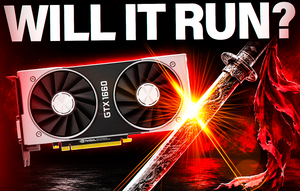
The GTX 1660 floor is the real headline
A GTX 1660 at minimum is a low bar for a UE5 game. That card has no ray tracing hardware, which tells you the engine features here are running without a mandatory ray tracing requirement behind them. Compare that to Gears of War: E-Day, where the Steam sheet demands a ray tracing capable GPU before it names a single card, and a 1080 Ti won't launch the game at all.
So if you've been sitting on a GTX 1660 or an RX 5500 XT wondering whether you're finally locked out of new releases, this one still lets you in. At 1080p, at 30 FPS, with upscaling doing the heavy lifting. That's a playable experience on a card from 2019 and it's more than most UE5 titles offer right now.
The recommended tier lands on an RTX 3060 Ti or an RX 6700 XT, and both are older mid-range cards. Neither is a stretch in 2026. What they are is the floor for a 1440p60 experience that leans on upscaling, so treat that pairing as the entry point for 1440p rather than a comfortable target. Our free FPS boost settings guide covers the tuning that buys back headroom if you're right on that line.
The CPU line is stricter than the GPU line
Worth noticing that the minimum CPU is a Core i7-8700K rather than an i5. Six cores and twelve threads is a higher ask than the GPU tier suggests, and it lines up with how UE5 handles streaming and shader compilation. A quad-core chip from the same era won't clear it even paired with a stronger graphics card. The recommended step up to a Ryzen 5 5600X or Core i5-10600K is modest by comparison, so the CPU is the part of an older machine most likely to hold you back here.
16GB at both tiers, and what that leaves out
Minimum and recommended both list 16GB of RAM. Same number twice is unusual on a spec sheet, and it means memory isn't the lever S-GAME expects you to pull between tiers.
Treat that 16GB as the game with a clean Windows install behind it and nothing else running. Windows 11 idles at 4 to 5GB before you open anything. Discord takes 500MB to 1GB, and a browser with a handful of tabs adds another 2 to 3GB. That stack alone eats most of the margin. UE5 titles like Black Myth: Wukong and Stalker 2 already pull 16GB or more for the game by itself at higher settings, which is the company Phantom Blade Zero keeps. 32GB is where we'd land for anyone who runs anything alongside their game, and our RAM sizing guide walks through where the real cutoffs sit.
Memory is a harder recommendation to make this year than it was last year, given where DDR5 pricing went. Our RAMageddon buying guide covers why, and why buying a machine with the memory already in it beats sourcing a kit separately right now.
The storage figure nobody has published yet
Steam lists an SSD as required and gives no capacity. That's the one gap on an otherwise complete sheet, and we're not going to invent a number for it.
What we can say is what the neighbors look like. Gears of War: E-Day asks for 115GB, and Modern Warfare 4 installs run well past 100GB. Planning around 100GB of free SSD space for a modern UE5 release is reasonable, with room on top for day-one patches. If the official figure lands before launch we'll update this piece.
The SSD requirement itself is firm though. Running this off a mechanical drive isn't an option, and a 1TB NVMe fills up faster than people expect once two or three modern installs are sitting on it.
What we'd build for Phantom Blade Zero
This is a single-player action game rather than a competitive shooter, so the target is a stable 60 rather than the 144 you'd chase in Call of Duty. That shifts what's worth spending on.
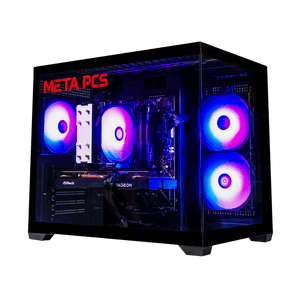
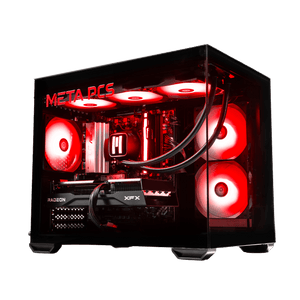
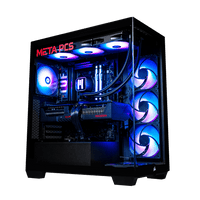
At the entry end, CYCLONE runs an RTX 5050 with a Ryzen 5 5500, which clears the minimum tier comfortably and puts you well past a GTX 1660. It's a 1080p machine and that's the right expectation for it. EMBER Ti steps up to an RTX 5060 Ti 8GB, which clears the recommended GPU tier with room to spare at 1080p.
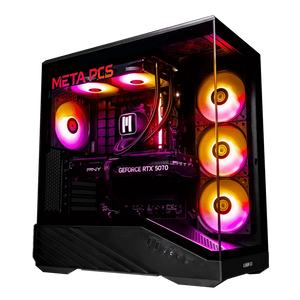
For 1440p, SHADEv3 is where we'd point most people. A Ryzen 5 9600X with an RX 9060 XT 16GB sits well above the recommended sheet, and that 16GB of VRAM matters more than the model name in a UE5 game running Lumen and Nanite. V1SHADOW50 v3 swaps to an RTX 5070 if you'd rather be on the NVIDIA feature stack, and our DLSS 5 breakdown covers what that stack actually gets you this year.
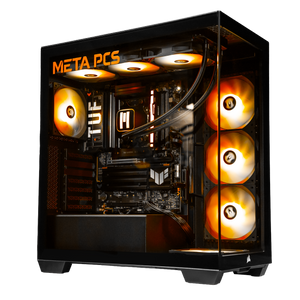
If you want 1440p with everything turned up and no thinking about it afterwards, IRONREIGN pairs a Ryzen 7 7800X3D with an RTX 5070 Ti and 32GB of DDR5-6000 already fitted. The rest of the range sits on our ready-to-ship page.
Our entry and mid-tier builds ship with 16GB of memory as standard, which matches the sheet for the game on its own. If you stream, record, or keep a second monitor full of tabs, move it to 32GB in the custom PC builder before it ships.
FAQ
What are the Phantom Blade Zero PC requirements?
Minimum is a Core i7-8700K or Ryzen 5 3600, 16GB of RAM, and a GTX 1660 6GB or RX 5500 XT 8GB, targeting 1080p at 30 FPS with upscaling enabled. Recommended is a Core i5-10600K or Ryzen 5 5600X, 16GB of RAM, and an RTX 3060 Ti 8GB or RX 6700 XT 12GB, targeting 1440p at 60 FPS with upscaling enabled. An SSD is required at both tiers.
Can a GTX 1660 run Phantom Blade Zero?
Yes. The GTX 1660 6GB is listed on the official minimum spec, which targets 1080p at 30 FPS with upscaling switched on. It's one of the more accessible Unreal Engine 5 requirement sheets published this year, since the game doesn't demand ray tracing hardware the way some recent UE5 releases do.
How much RAM does Phantom Blade Zero need?
16GB is listed at both the minimum and recommended tiers. That figure covers the game with Windows behind it and little else, so 32GB is the safer number if you run Discord, a browser, or OBS alongside it.
How much storage does Phantom Blade Zero need?
S-GAME hasn't published an install size yet. Steam lists an SSD as required without a capacity figure. Based on comparable Unreal Engine 5 releases, planning for around 100GB of free SSD space is sensible until the official number lands.
When does Phantom Blade Zero launch on PC?
October 29, 2026, on PC and PlayStation 5. S-GAME pushed the date back from September in a letter from the creative director, so anything still quoting a September window is out of date.
Ready to build
Phantom Blade Zero is the rare UE5 release that doesn't ask you to replace your graphics card first, and that's worth saying plainly since 1080p is still where most people play, at roughly 52 percent on the Steam Hardware Survey. Clear 16GB of RAM, put it on an SSD, and read the published frame rate targets as upscaled rather than native.
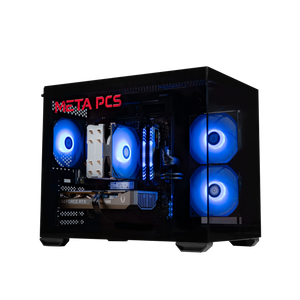
If you're buying rather than upgrading, GPU pricing is worth checking against the Tom's Hardware price tracker before you commit. Every META PCs build on our ready-to-ship page ships tested and on lifetime US-based support, and we ship nationwide from our Arizona shop. Our first six things to do after building a gaming PC guide covers the driver pass that comes next, and our prebuilt gaming PC breakdown walks through how we spec a machine in the first place.