




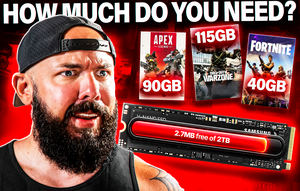
2TB is the size we'd put in almost any gaming PC this year. That holds fifteen or so modern installs at today's file sizes, with headroom for patches. 1TB works if you keep two or three games on the drive and delete as you go. It also has to be an SSD, because publishers now list that as a requirement.
The reason this question got harder is that two things moved in opposite directions. Game installs kept growing, and SSD prices more than doubled. Tom's Hardware tracked a Samsung 990 Evo Plus 2TB going from $113 to $363 in roughly a year, a 221 percent jump, with other drives on similar curves (Tom's Hardware). So the old advice of buying the biggest drive you can afford stopped being good advice. Sizing it properly matters more this year than it has in a long time.
How much storage do you need for gaming?
Here's how the common capacities shake out against what games weigh now.
| Capacity | Roughly how many modern installs | Who it suits |
|---|---|---|
| 500GB | Two or three, and Windows is already eating into it | Nobody buying a gaming PC in 2026 |
| 1TB | Six to eight at around 100GB each | One or two main games plus a rotation you delete and reinstall |
| 2TB | Fifteen or so, with room for patches | Most gamers, and where we'd start |
| 4TB | Thirty-plus, plus recordings and projects | Streamers, editors, and people who never uninstall |
Those install counts assume roughly 100GB per game, which is where big releases have settled. Smaller indie titles and esports games take far less, so a library heavy on CS2 and Valorant stretches a lot further than one full of AAA campaigns.
Why game installs got this big
Gears of War: E-Day asks for 115GB on the Steam listing. Recent Modern Warfare 4 installs run past 100GB. Phantom Blade Zero hasn't published a size at all, only that it needs an SSD, and there's no reason to expect it to come in light.
Uncompressed audio across a dozen languages is part of it. 4K texture packs are most of the rest. Unreal Engine 5 games lean on Nanite geometry and high-resolution source assets, and that data has to live somewhere. Developers also stopped compressing aggressively once SSDs became the baseline, since decompression costs CPU time that they'd rather spend elsewhere.
Three of those titles on one drive is 300GB or more before Windows, drivers, or anything else. That's the math that catches people out on a 500GB drive.
The part that changed: buying big got expensive
A year ago the honest recommendation was 4TB for anyone who could stretch to it. AI demand reshaped the NAND market since then, and drive prices went with it. GamersNexus covered the same squeeze from the manufacturing side (GamersNexus), and the short version is that supply is committed elsewhere and gamers are competing for what's left.
What that means in practice is that the jump from 2TB to 4TB now costs real money rather than a small premium. For most people that money does more good in the GPU. Check the Tom's Hardware SSD price tracker before you commit, since the gap between capacities swings week to week and occasionally a 4TB drive lands cheaper than a 2TB one from a different brand.
This is the same pattern we walked through in our RAMageddon buying guide and our RAM sizing guide. Component pricing in 2026 rewards buying the right amount rather than the most.
Gen 4 is fine, and Gen 5 is mostly not worth the premium
PCIe Gen 5 drives post enormous sequential numbers in benchmarks. Games don't load that way. Loading a level is thousands of small random reads, and the difference between a good Gen 4 drive and a Gen 5 drive in actual load times is usually a second or two. Gen 5 drives also run hotter and often need a chunkier heatsink to hold their speed.
Put the money into capacity instead. A 2TB Gen 4 drive beats a 1TB Gen 5 drive for a gaming machine every time.
An SSD is a requirement now, not a recommendation
Both Gears of War: E-Day and Phantom Blade Zero list an SSD as required on their Steam pages. Not suggested. Required. Publishers built streaming systems that assume the drive can feed assets fast enough, and a mechanical drive can't hold up.
A hard drive still has a job as a second drive for recordings, screenshots, and games you've finished but don't want to redownload. Just don't put a 2026 release on it and expect it to behave. If you're setting up a new machine, our first six things to do after building a gaming PC guide covers the drive and BIOS pass that comes first.
Leave headroom, because a full SSD slows down
SSDs need free blocks to write efficiently. Run one at 95 percent capacity and write speeds fall off, which shows up as longer install times and occasional stutter during asset streaming. Keeping 10 to 15 percent free is the habit worth building. On a 2TB drive that's a couple of hundred gigabytes you plan around rather than fill.
If a drive is already tight and you're chasing performance, our free FPS boost settings guide covers the other levers worth pulling before you spend money.
What we ship, and why
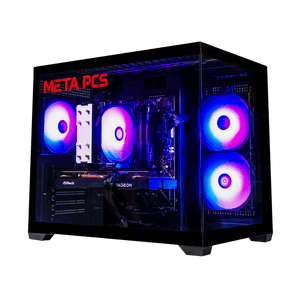
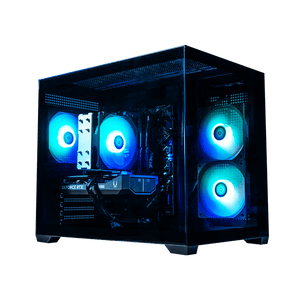
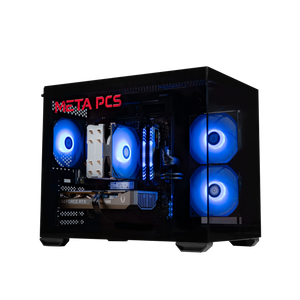
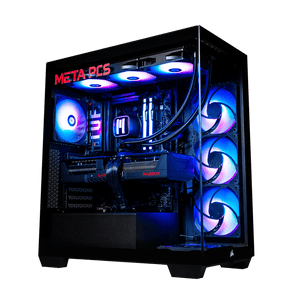
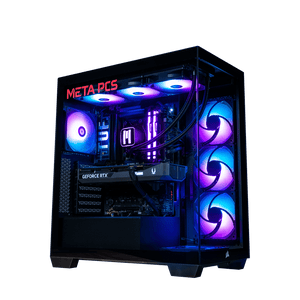
Most of our builds leave the shop with a 2TB NVMe drive, and that's a deliberate call rather than a spec sheet flourish. KILLDOZERv2 and DOZERv2 both ship with 2TB, which lands in the range where you're not managing your library every other week.
Some builds come with 1TB, including ICEWALKERv3, which runs a 1TB Kingston NV3. That's a fine starting point for someone with a focused library, and every one of our builds has spare M.2 slots, so adding a second drive later is a ten-minute job rather than a rebuild. IRONREIGN is on the list for anyone who wants the higher tier sorted from the start.
You can also size the drive yourself in the custom PC builder before the machine ships, which beats buying a drive separately at this year's prices. The full range sits on our ready-to-ship page.
FAQ
Is 1TB enough for gaming in 2026?
It works if you're selective. At roughly 100GB per modern game, 1TB holds six to eight of them once Windows takes its share, so you'll be uninstalling to make room fairly often. For someone who plays two or three games at a time and doesn't mind redownloading, 1TB is workable. For a library you want to leave installed, 2TB is the better call.
How much space do modern games actually take?
Around 100GB is the going rate for a big release. Gears of War: E-Day lists 115GB on Steam, and recent Call of Duty installs run past 100GB. Esports titles and indie games are far smaller, often under 30GB, so the number that matters depends on what you actually play rather than how many games you own.
Do I need a Gen 5 SSD for gaming?
No. Game loading is dominated by small random reads rather than the big sequential transfers Gen 5 drives are built to win. The real-world difference in load times against a solid Gen 4 drive is usually a second or two. Spending that premium on more capacity, or on a better graphics card, does more for your experience.
Can I still use a hard drive for games?
Not for new releases. Gears of War: E-Day and Phantom Blade Zero both list an SSD as required on Steam, and more publishers are following. A hard drive is still useful as secondary storage for recordings, screenshots, or older games that don't stream assets aggressively.
Should I buy a bigger SSD now or wait for prices to fall?
Nobody can tell you where prices land next quarter, though the pressure on NAND supply hasn't eased so far this year. Our read is to buy the capacity you'll use in the next year or two rather than stretching for a size you'd grow into, since every build we ship has spare M.2 slots and adding a drive later takes minutes.
Ready to build
2TB is the number for most people in 2026. 1TB is defensible with a focused library and a willingness to uninstall. Leave 10 to 15 percent free, keep it on an SSD because publishers now demand it, and put the money you saved on a 4TB drive into the graphics card instead.
Every META PCs build on our ready-to-ship page ships tested and on lifetime US-based support, and we ship nationwide from our Arizona shop. If you want a hand sizing the drive for the way you play, we'll walk you through it on the phone. Our prebuilt gaming PC breakdown covers how we spec a machine from the ground up.